Every dog has its own place in the pack when it comes to deer. Hounds hunting deer together as a pack are peculiarly similar to people playing a team sport together. In a perfect world every single deer hunting dog would have the best nose, be able work the track, make the jump and then run together as a pack. I’m not saying that dogs shouldn’t have each of those aspects. However most of us know that deer hunting dogs tend to specialize in certain areas. Whether you already have a pack of deer hounds in the pen at home or whether you are searching for your first few, it is vital to your success that you select dogs in order to build the “perfect pack.” Admittedly most of us have left the pen before and turned out a pack of hounds and realized you did not select the most effective pack for what you wanted to accomplish in the woods today. Understanding the strengths and weaknesses of the dogs in your pack is a key part of knowing which dogs to take when you load the box that day. If you load up a pack of dogs whose key strength is making the jump and sustaining the chase then hitting the track may become a much longer process. On the same token if you decide to take 5 dogs that specialize in hitting the initial track it may be a slow process once the jump occurs because those dogs will be much more likely to hunt with their nose in the dirt and take a much slower pace.
Knowing your hounds is very important in picking what spot they hold in your pack. In order to realize what each dog contributes to every single hunt you have to pay attention to what they contribute. For example I know that on those mornings where it will be extremely difficult to find a track, True, which is a blue tick beagle mix will likely be the only dog in the pack that may be able to get something going. With that being said I also know that if I see a deer in a certain area an hour before turning out I may want to leave the “cold-nosed” dogs in the pen because they may find an older track prior to finding the hot track. Each dog has a job in the pack and brings certain tools to the hunt. Knowing how and where to use them is what is going to make the difference in a hunt.
Another important concept to think about before loading up is where you interned to run hounds. As a houndsman that specifically runs beagles I know there are cutovers and small blocks where five of my 13”-15” tall beagles are going to be more effective than the 17”-20” blue tick beagles. I am not trying to claim that there are not hounds out there that are phenomenal all around dogs because I acknowledge that some hounds will be able to strike the track, jump the deer and make the chase and be the best in the pack at doing that. But these dogs in the deerhound world are not as plentiful as some may think.
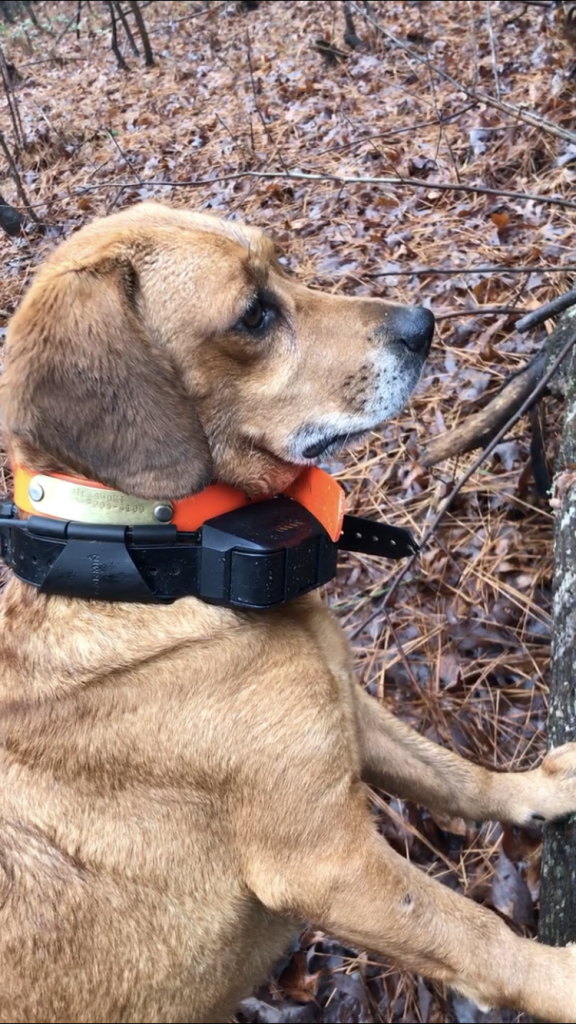
The most important thing to remember is get to know your pack. One dog may perform better in the presence of another dog or you may see one take a backseat to a certain dog where that hound is typically front of the pack. Learning each hound’s niche is a process that can take time but it’s these adjustments and substitutions that make up the perfect pack.