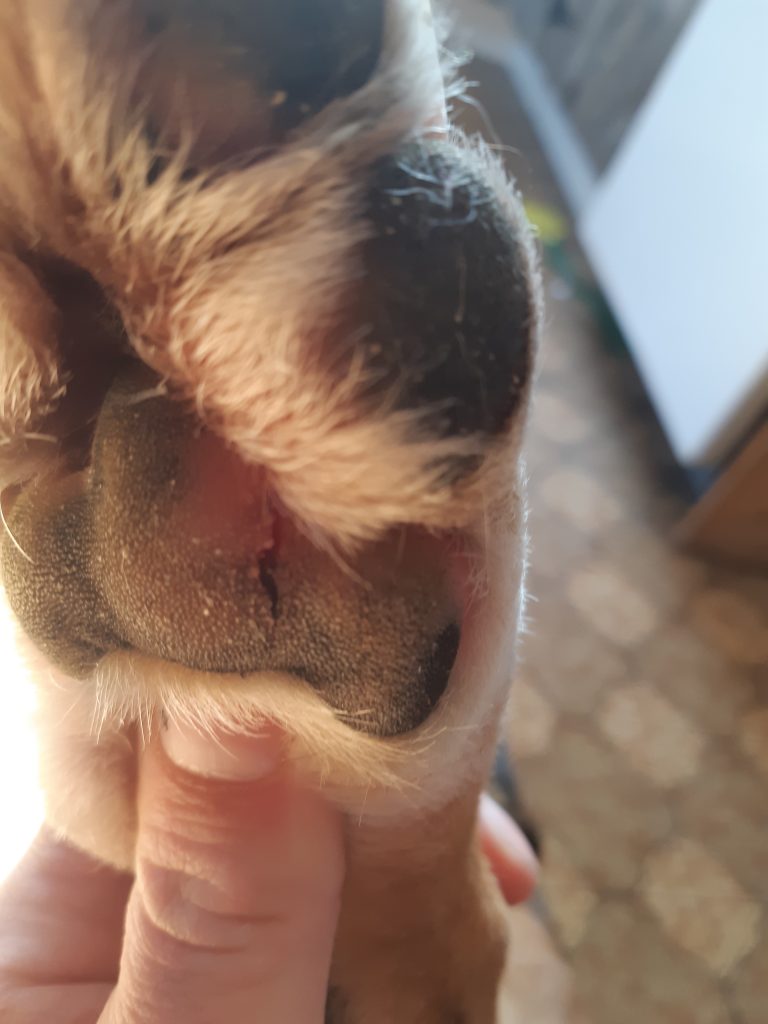
Picture this:
It's the first day of a big hike. You put on the new hiking boots, strap on your pack, and shoot for big miles on day one. Chances are, you are going to end up sore, bloody, and covered in chafes and blisters.
It is the same with these hounds feet. If they have been living the easy life since last season, then hit training season or hunting season with guns blazing and the hammer down. Then you will end up spending the rest of the season playing catch-up foot wise. Just like our hands and feet, dog paws need time to toughen up after an extended period of down time. Breeding is obviously important when it comes to foot health, but there is much that can be done to prepare a dogs paws for the season, and to care for their paws during periods of intense activity.
Keep those nails short.
Don't let the dogs nails get too long. The longer they get, the more prone to breaking and tearing they will become. A torn nail will often quickly become infected, and a broken nail will take a dog out of action for week. If you let their nails get long once, it requires time, blood, and a lot of vigilance to get them shortened up. If you have a dog that is boogery about their feet, try clipping while they are eating, or after a good run when they are tired and less prone to freaking out. Remember to clip those dew claws too. They always seem to tear at the worst possible moment when they get long.
Let them play
If you have a bigger dog run or a fenced in enclosure, consider adding some crushed gravel or course wood chips to the surface. It will help them toughen their feet (or keep them tough) while they play and tear around.
Hit the road Jack.
If you have the option of roading your dogs before the season starts, do it. Keep it short and slow at first. Get them trotting –rather than galloping or sprinting– for a few miles. This helps them loosen up and strengthens feet, pads, and tendons, while not causing excessive wear and tear on the dog. When I was training sled dogs, I would start them every season with 2-3 miles runs at a steady trot (8-13 mph depending on the dog). After a few months we would be doing 80-90 mile runs. Starting slow and steady won't leave you and your pack lagging behind later in the year. You will have a healthy pack, with sound feet, while the next guy is struggling to keep dogs sound.
Box first, ask questions later.
If you see a dog lift a foot, box that dog. Once things start to go south with feet, they go south on a fast horse. A dog that is favouring a foot slightly at one road crossing, may be full blown lame by the next. It's better to take the dog out early –let it heal whatever small problem it has– and be ready to roll a few days later, rather then try and get those few extra miles and have to lay that dog up for 2-3 weeks.
Be patient.
Allow injured dogs time to heal. If they have a foot problem, give them the time they need to heal. These hounds are tougher than is (physically) good for them. They will hunt on three legs if you let them. Don't let them do that. You're the brains of this outfit. Use that big brain to keep your pack/team/squad healthy and at their rocking and rolling best.
A dab a day keeps the vet away.
There are a lot of ointments available out there. Double U Hunting Supply sells several good ointments like Musher's Secret that are tried and true. When you get home from a run, make it part of your routine to check feet. If you see a cut, scuff, split etc. slap some foot ointment on there. It keeps the feet pliable, and prevents drying out and cracking of irritated skin.
Soak those piggies.
If you have a foot that has a cut or wound that is getting scabby or gunk covered, take an airline kennel, fill it with 2-3 inches of water in the bottom, and mix in a small amount of mild hand soap. Stick the dog in there and close the door. Let them stand in the soap water for 5-10 minutes. The soak will disinfect, loosens up the crusty scabs, and leaves the dog with a cleaner wound that will heal faster
These tips kept a kennel of 45 sled dogs in training for years with very few days off with feet problems. Treat their feet like they are an essential part of the entire packs success, because they are!
As a famous musher once said “No foot, no dog”.
Maybe he heard that from a houndsman!